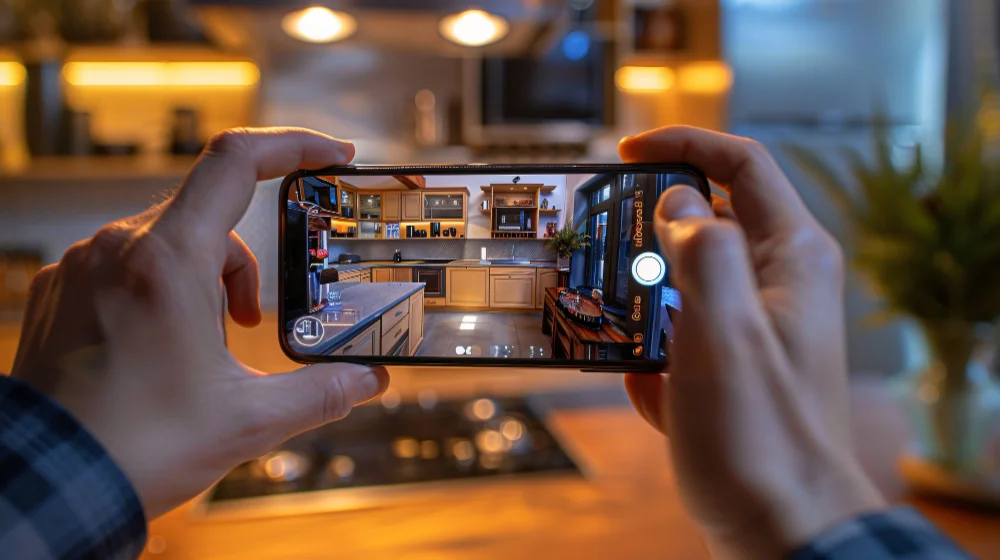
Capturing the right photo can make or break a property listing. At ellendewittrealestate.com, we’ve seen firsthand how high-quality visuals attract more buyers and drive faster sales. Real estate photography isn’t just about snapping pictures—it’s about storytelling, presentation, and emotion. Whether you’re a homeowner preparing to sell or a new agent building your portfolio, the following real estate photography tips will help you showcase properties in the best light.
Why Real Estate Photography Matters
Photos are often the first impression buyers get online. According to real-estate marketing studies, listings with professional photos receive nearly 40% more views than those without. At Ellen DeWitt Real Estate, we’ve consistently observed that well-shot images can boost buyer engagement and even increase perceived property value.
Beautiful images draw the eye, but great photography also communicates lifestyle and comfort—two factors that help homes sell faster.
1. Stage Before You Shoot
Before touching the camera, ensure the home looks its best. Decluttering and staging are essential steps that set the scene for stunning images.
- Declutter rooms by removing unnecessary items and personal photos.
- Add neutral decor such as light-colored bedding, fresh flowers, and minimal furniture.
- Enhance lighting by opening curtains, blinds, and ensuring all bulbs are the same color temperature.
This preparation helps capture a clean, welcoming look—key to professional-grade photography.
2. Use Natural Light Wisely
Lighting can transform a photo from average to exceptional. Whenever possible, rely on natural light to maintain realistic tones and warmth.
- Shoot during the “golden hour”—the first or last hour of sunlight—for softer shadows and even lighting.
- Turn off harsh overhead lights that may cause yellow tints.
- Position yourself so the main source of light comes from behind you.
For darker rooms, a tripod and slower shutter speed can help you brighten the shot without distortion.
3. Focus on Wide Angles and Composition
Wide-angle lenses (between 14–24mm) help capture full room layouts, giving potential buyers a better sense of space.
When composing your shots:
- Keep vertical lines straight—crooked angles make rooms look distorted.
- Shoot from chest height for natural perspective.
- Frame each photo so key architectural features—like fireplaces or windows—draw attention.
Ellen DeWitt Real Estate photographers often take multiple angles per room to select the most balanced composition later.
4. Capture Key Selling Points
Every property has something special—whether it’s an open-concept kitchen, a backyard view, or restored hardwood floors. Focus on these highlights.
Consider shooting:
- Modern kitchen appliances and island layouts
- Spacious living areas with natural light
- Primary suites and bathrooms with luxury finishes
- Outdoor living spaces or landscaped yards
At Ellen DeWitt Real Estate Milo, we’ve found that listings emphasizing unique features often lead to higher click-through rates online.
5. Keep Images Consistent
Consistency builds trust. Use the same editing style, brightness, and color balance across all photos in a listing.
Avoid over-editing—buyers want to see accurate representations of the property. Tools like Adobe Lightroom or Capture One can adjust tones while maintaining realism.
When uploading to platforms like ellendewittrealestate.com, consistent images ensure a polished, professional appearance across all listings.
6. Take Exterior Shots Seriously
Curb appeal begins online. Start by photographing the home’s exterior on a clear day with balanced lighting.
- Remove vehicles from the driveway.
- Capture multiple angles of the facade.
- Include features like gardens, patios, or pool areas.
- Use drone photography for larger properties or to highlight surrounding neighborhoods.
A well-framed exterior shot builds anticipation for interior photos and increases the likelihood of in-person showings.
7. Edit with Care
Post-processing can refine your work without altering the truth. Adjust contrast, saturation, and brightness modestly.
At Ellen DeWitt Real Estate, our editing goal is to enhance reality, not replace it. If you’re editing on your own:
- Maintain natural lighting and realistic color tones.
- Avoid extreme HDR effects.
- Use editing tools to correct slight distortions or uneven lighting.
8. Use the Right Equipment
While smartphones have improved, professional photography still benefits from DSLR or mirrorless cameras.
Recommended essentials:
- Wide-angle lens (16–35mm range)
- Tripod for stability
- External flash or lighting kit (optional but helpful)
- Remote shutter release to prevent camera shake
High-resolution images appear more polished on property portals, especially when potential buyers zoom in on details.
9. Highlight Seasonal Appeal
If possible, schedule shoots that align with the property’s best features.
- Spring and summer highlight landscaping and outdoor living.
- Fall adds warm tones and cozy interior shots.
- Winter photos should emphasize comfort—like fireplaces or inviting interiors.
The Ellen DeWitt Real Estate team often revisits properties in multiple seasons for year-round marketing opportunities.
10. Hire a Professional When Needed
If you’re serious about selling, professional photographers are worth the investment. They understand lighting, framing, and composition at a level that enhances the emotional connection between buyer and home.
We regularly collaborate with experienced real-estate photographers at ellen dewitt real estate to ensure every listing communicates value and trust.
Common Mistakes to Avoid
Even skilled photographers make mistakes that can undermine a great property presentation:
- Shooting too few photos (aim for at least 20–30 high-quality images)
- Ignoring vertical alignment and symmetry
- Overusing filters or color effects
- Neglecting small rooms or utility areas
Avoiding these pitfalls ensures a well-rounded visual story of the property.
Final Thoughts
Great photography helps homes stand out—and in today’s competitive market, it’s essential. These real estate photography tips from Ellen DeWitt Real Estate reflect years of experience helping homeowners showcase their properties beautifully.
Whether you’re preparing a home for sale or refining your listings, professional photography can make all the difference. To learn more about how our expert team can assist with marketing, staging, and property visuals, visit our main page today.