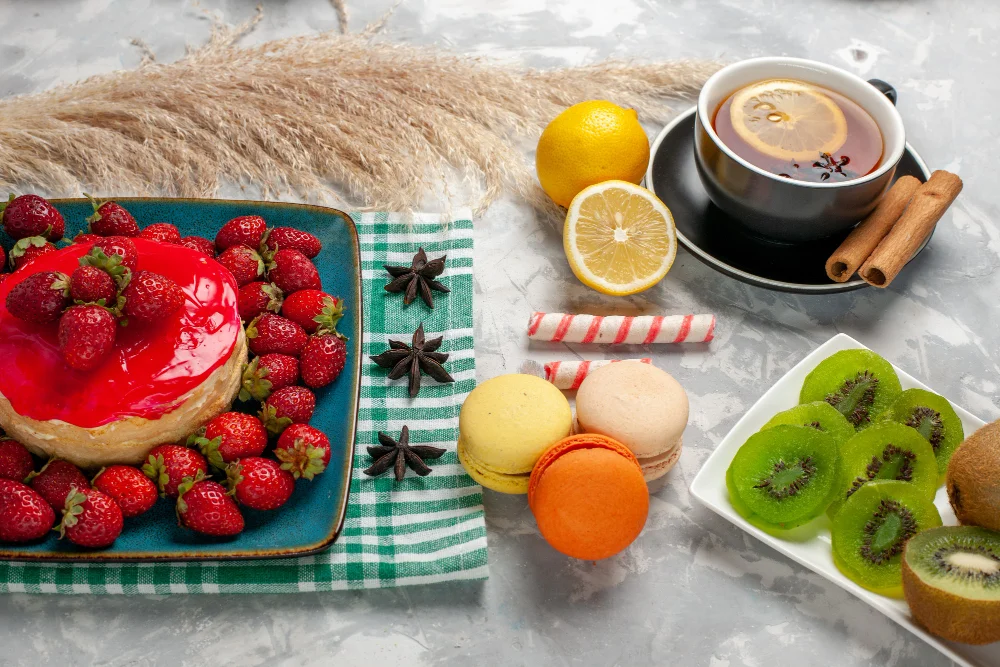
Jelly has been a beloved staple in kitchens around the world, cherished for its versatility and delicious taste. Whether you’re an experienced cook or a beginner eager to explore the world of homemade jelly, www.recipesjelly.com is your go-to resource. Our guide will walk you through everything you need to know about creating delightful jelly recipes, from classic favorites to innovative new twists.
Why Make Jelly at Home?
Making jelly at home offers numerous benefits beyond the satisfaction of crafting something delicious from scratch. Here are a few compelling reasons to get started:
- Customization: Tailor your jelly to suit your dietary needs, whether you prefer sugar-free or vegan options.
- Quality Control: Use high-quality ingredients and avoid preservatives found in store-bought versions.
- Cost-Effective: Homemade jelly can be more economical than purchasing pre-made options.
- Culinary Creativity: Experiment with unique flavors and presentations that aren’t available in stores.
Essential Ingredients and Tools
Creating the perfect jelly requires a few key ingredients and tools. Let’s explore what you’ll need.
Key Ingredients for Perfect Jelly
- Fruit: Choose fresh, ripe fruit such as strawberries, grapes, or exotic varieties like passionfruit.
- Pectin: A natural gelling agent essential for setting the jelly.
- Sugar: Provides sweetness and helps with the gelling process. Consider alternatives for sugar-free recipes.
- Acid: Lemon juice or vinegar enhances flavor and aids in setting.
- Water: Assists in the extraction of fruit juice.
Must-Have Equipment
- Large Saucepan: For boiling the fruit mixture.
- Thermometer: To monitor the temperature and ensure proper gelling.
- Canning Jars: For storing and preserving your jelly.
- Strainer or Cheesecloth: To separate juice from fruit solids.
Popular Jelly Recipes to Try
Explore a variety of jelly recipes that cater to different tastes and dietary preferences.
Classic Berry Jelly
Ingredients:
- 4 cups of fresh berries (e.g., strawberries, raspberries)
- 1 package of pectin
- 3 cups of sugar
- 1 tablespoon lemon juice
Instructions:
- Crush berries and simmer with water for 10 minutes.
- Strain mixture to obtain juice.
- Boil juice with pectin, then add sugar and lemon juice.
- Pour into sterilized jars and seal.
Exotic Fruit Jelly Varieties
Mango-Passionfruit Jelly:
- Combine mango and passionfruit for a tropical twist.
- Follow the same process as classic berry jelly.
Sugar-Free Jelly Recipes
Ingredients:
- Use stevia or erythritol as a sugar substitute.
- Add extra pectin for a firmer set.
Instructions:
- Prepare fruit juice as usual.
- Heat with pectin and sugar substitute until boiling.
- Pour into jars and refrigerate.
Step-by-Step Jelly Making Process
Creating jelly involves several crucial steps to achieve the perfect texture and flavor.
Preparation and Cooking
- Fruit Preparation: Wash, peel, and chop fruit as needed.
- Juice Extraction: Simmer fruit with water and strain through cheesecloth.
- Cooking: Combine juice with sugar, pectin, and acid. Boil until reaching the desired consistency.
Testing and Adjusting Consistency
- Gel Test: Drop a small amount on a cold plate. If it wrinkles when pushed with a finger, it’s ready.
- Adjustments: If too runny, boil longer. If too thick, add a bit of water.
Storing and Preserving Your Jelly
Proper storage ensures your jelly remains fresh and delicious for months.
- Canning Process: Use a water bath canner to seal jars for long-term storage.
- Shelf Life: Properly canned jelly can last up to a year in a cool, dark place.
- Refrigeration: Open jars should be refrigerated and used within a few weeks.
Troubleshooting Common Issues
Even seasoned jelly makers encounter challenges. Here are solutions to common problems:
- Jelly Didn’t Set: Reheat and add more pectin.
- Cloudy Appearance: Ensure juice is strained thoroughly.
- Too Sweet: Balance with extra lemon juice or acid.
FAQs About Jelly Making
Q: How long does homemade jelly last?
A: Properly canned jelly can last up to a year, while opened jars should be consumed within a few weeks.
Q: Can you make jelly without sugar?
A: Yes, sugar-free jelly can be made using substitutes like stevia or erythritol.
Q: What is the difference between jelly and jam?
A: Jelly is made from fruit juice, while jam includes crushed fruit, offering a thicker texture.
Q: How can I make jelly sets faster?
A: Increase the amount of pectin and ensure the mixture reaches the right temperature.
Q: What fruits work best for homemade jelly?
A: Berries, grapes, apples, and citrus fruits are popular choices due to their natural pectin content.
Conclusion
Crafting homemade jelly is a rewarding culinary adventure that allows you to enjoy personalized flavors and healthier options. Whether you’re drawn to classic recipes or eager to experiment with new varieties, www.recipesjelly.com provides the expertise and inspiration you need. Start your jelly-making journey today and savor the sweetness of success. For more detailed recipes and tips, visit our website and explore our extensive collection of jelly recipes.
By following this guide, you’ll master the art of jelly making and delight in creating delicious, homemade spreads for all occasions. Visit www.recipesjelly.com to further expand your culinary repertoire with inventive and mouth-watering jelly recipes.