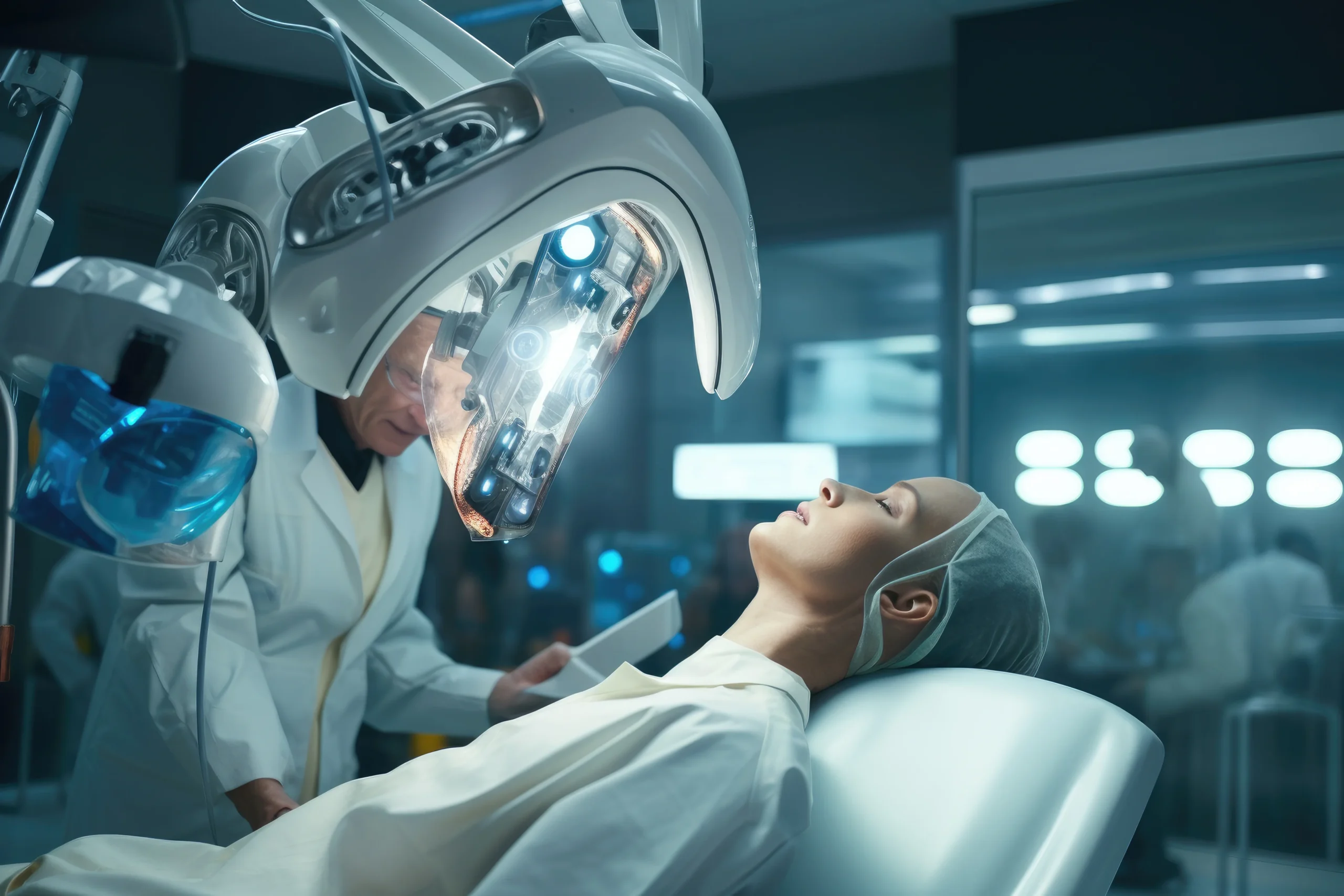
Dental clinics are changing fast. Not because of new tools alone, but because of how intelligently those tools are now used. “Nerovet AI dentistry” is part of this shift—bringing artificial intelligence into everyday dental decisions in a way that actually helps both dentists and patients.
This isn’t about replacing dentists. It’s about giving them sharper insight, faster analysis, and more confidence in what they see.
What is Nerovet AI Dentistry?
At its core, Nerovet AI dentistry refers to the use of advanced AI systems designed to assist in dental diagnostics, planning, and patient management.
Think of it as a smart assistant that can:
- Analyze dental images in seconds
- Highlight areas that may need attention
- Support treatment planning with data-backed suggestions
It works quietly in the background, helping dentists notice things that might be easy to miss during a busy day.
How It Actually Works in a Clinic
Most people imagine AI as something complex and distant. In reality, its role in dentistry is quite practical.
When a dentist takes an X-ray or scans your teeth, the AI system reviews the image alongside them. It doesn’t replace their judgment—it adds another layer of analysis.
For example:
- It can mark early signs of cavities before they become obvious
- It can detect subtle bone loss linked to gum disease
- It can compare current scans with older ones to track changes
This kind of support is especially useful for early diagnosis, where small details matter the most.
See also Jim McMahon’s Health: A Journey Through Triumph and Trials
Why Dentists Are Starting to Use It
Dentistry relies heavily on visual interpretation. Even experienced professionals can have slightly different opinions when looking at the same scan.
AI helps reduce that variation.
Here’s why many clinics are adopting it:
- Consistency: The same image gets analyzed the same way every time
- Speed: Results appear almost instantly
- Support for decision-making: Dentists can double-check their findings
It’s not about making dentistry easier—it’s about making it more reliable.
What It Means for Patients
From a patient’s perspective, the benefits are quite direct.
You’re more likely to get:
- Earlier detection of problems
- Clearer explanations, often with visual highlights on scans
- More confidence in diagnosis, especially for complex cases
Imagine your dentist showing you exactly where a small cavity is forming, rather than just describing it. That level of clarity builds trust.
A Real-World Example
Let’s say a patient comes in with mild tooth sensitivity. The X-ray doesn’t show an obvious cavity at first glance.
With Nerovet AI support, the system might flag a tiny demineralized area that could turn into a cavity later. The dentist can then act early—often with a simple, non-invasive treatment.
Without AI, that issue might only be caught months later when it becomes more serious.
Where It Still Needs Careful Use
AI in dentistry is helpful, but it’s not perfect.
There are important limitations:
- It depends on the quality of the data it’s trained on
- It cannot understand patient history the way a human can
- It should never be used without professional oversight
A skilled dentist still makes the final call. AI is a tool—not a decision-maker.
The Bigger Picture
Nerovet AI dentistry is part of a broader trend in healthcare: combining human expertise with intelligent systems.
Dentists bring experience, judgment, and patient understanding.
AI brings speed, pattern recognition, and consistency.
Together, they create a more balanced approach to care.
Final Thoughts
Nerovet AI dentistry isn’t about futuristic promises—it’s about practical improvements happening right now. It helps dentists see more clearly, act earlier, and explain better.
For patients, that means fewer surprises, more transparency, and often simpler treatments.
The real value isn’t in the technology itself. It’s in how it quietly improves the decisions that shape your dental health.