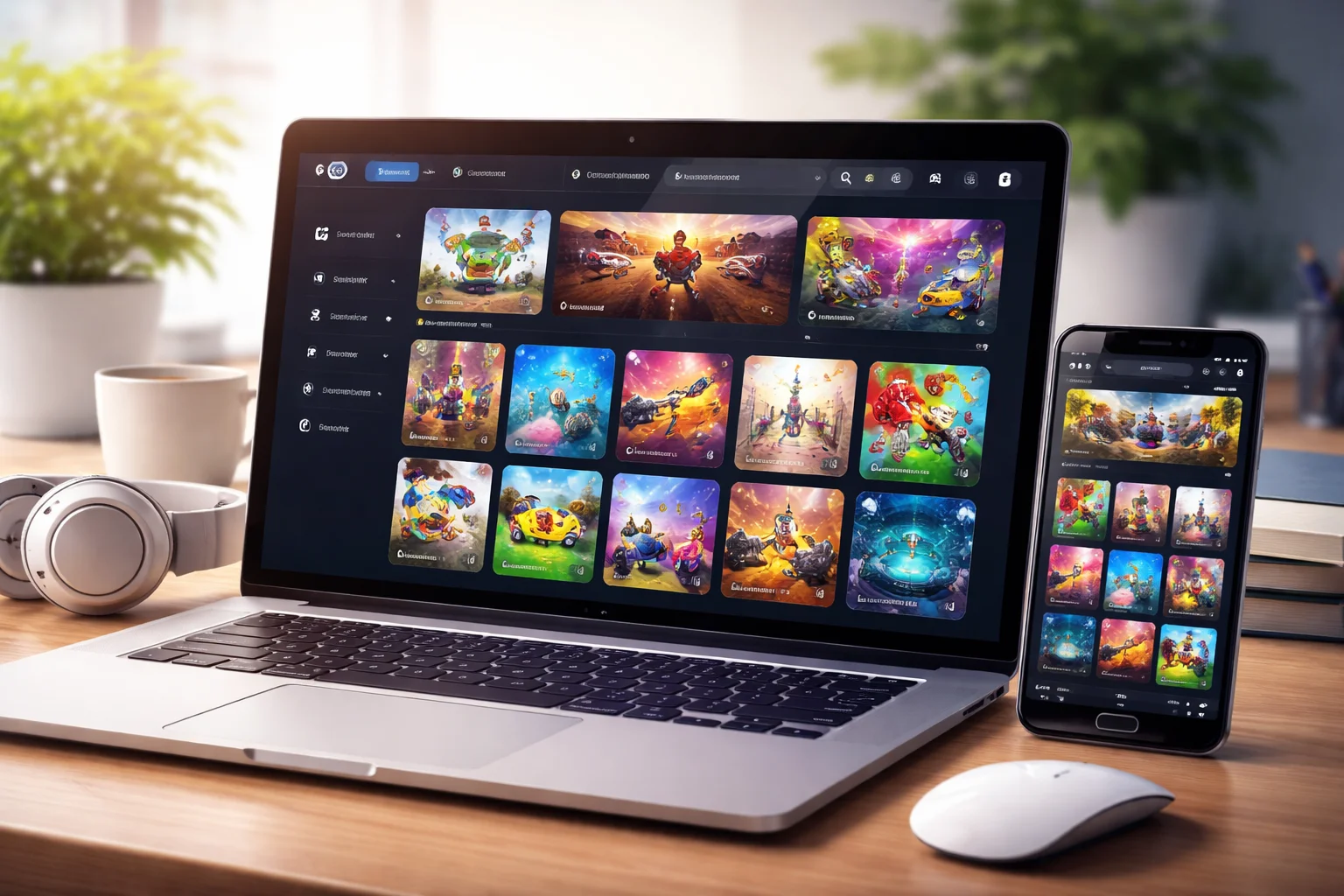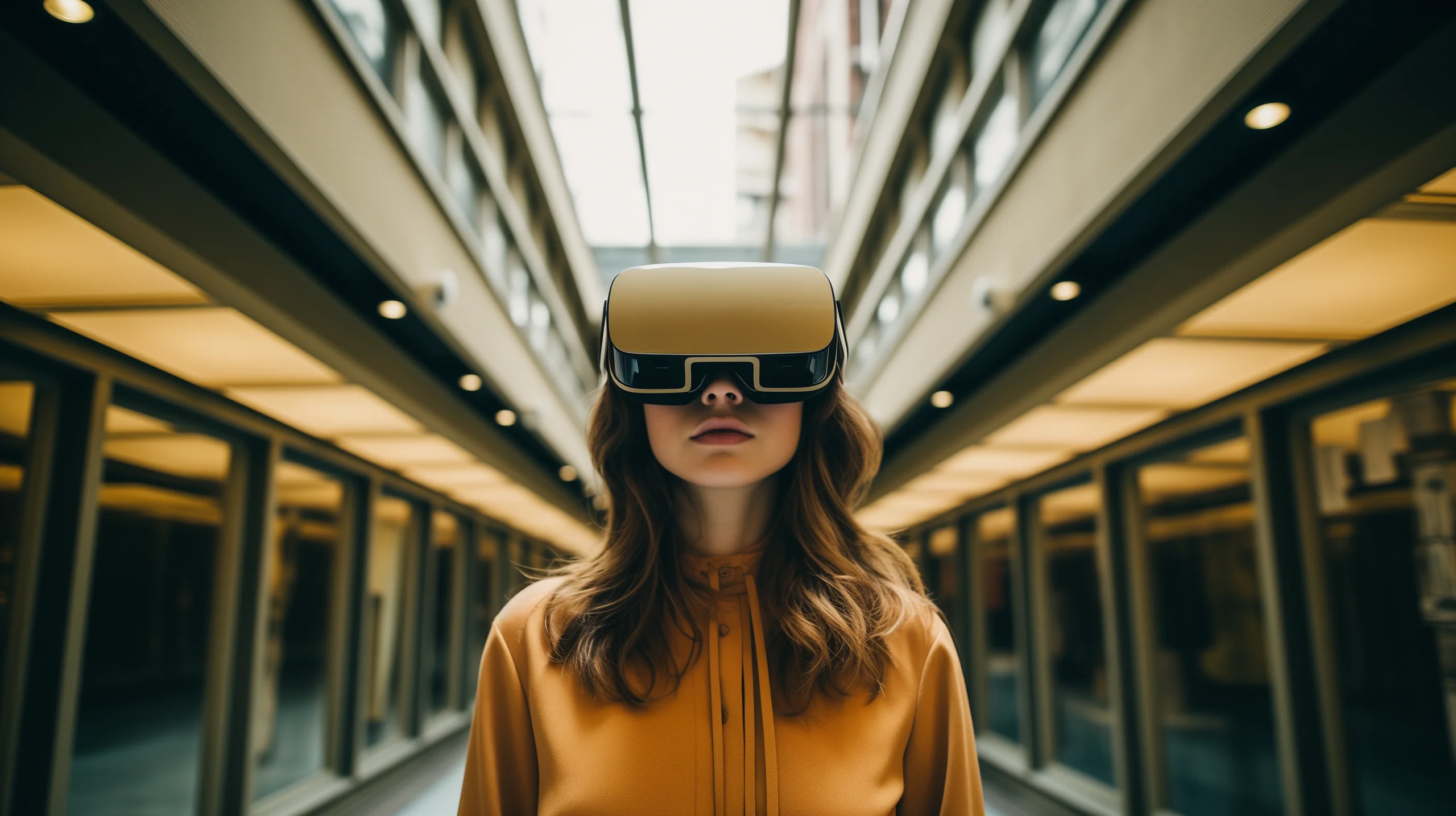
The phrase tech giants envision future beyond smartphones is no longer a speculative idea—it is becoming a clear direction of global innovation. For more than a decade, smartphones have acted as the central hub of digital life, controlling communication, entertainment, navigation, payments, and even work. But today, the world’s biggest technology companies are quietly preparing for a future where the smartphone is no longer the main gateway to the digital world.
This shift is not happening through sudden replacement. It is happening through gradual transformation—layer by layer—where new forms of computing are being designed to reduce dependence on screens, apps, and constant manual interaction. The goal is simple but powerful: technology should blend into life, not interrupt it.
When the Screen Stops Being the Center of Attention
For years, human attention has been locked inside a small glowing rectangle. Every notification, message, video, or app competes for focus. While smartphones brought convenience, they also created digital overload.
Now the direction is changing.
Technology leaders are exploring systems where:
- Interaction does not always require a screen
- Information appears only when needed
- Tasks happen without opening apps
- Devices respond to context, not commands
This shift marks the beginning of a new computing philosophy—where the screen becomes optional, not essential.
Instead of constantly checking devices, users may soon experience technology that works silently in the background, responding only when necessary.
Why Smartphones Are No Longer the Final Destination
Smartphones are powerful, but they represent a mature stage of digital evolution rather than the final one. Their design has improved year after year, but their core limitation remains the same: they demand attention.
Modern users are beginning to feel:
- Mental fatigue from constant screen exposure
- Fragmentation caused by too many apps
- Dependency on manual interaction for simple tasks
- Reduced focus due to notifications and alerts
Even with faster processors and better cameras, the experience is still centered on tapping, scrolling, and swiping.
Tech giants recognize this limitation. That is why research is shifting toward reducing screen dependence instead of enhancing it further.
See also How Technology Is Transforming Real Estate – A View from Ellen DeWitt Real Estate
Computing That Blends Into Everyday Life
A major direction shaping the future is ambient computing—where technology exists in the environment rather than inside a single device.
This means digital systems will be:
- Present in homes, vehicles, and workplaces
- Connected across devices without friction
- Activated by voice, movement, or presence
- Always available but rarely visible
Instead of pulling a phone out of a pocket, users will interact with systems that are already around them.
Examples of this shift include:
- Smart homes adjusting lighting and temperature automatically
- Cars responding to voice-based navigation and control
- Offices where information appears on shared digital surfaces
- Public spaces enhanced with invisible digital layers
Technology becomes less like a tool and more like an environment.
Artificial Intelligence Becoming the Primary Interface
One of the strongest forces behind this transformation is artificial intelligence. AI is changing the way humans interact with machines by replacing traditional navigation with conversation and intent-based input.
Instead of opening multiple apps, future systems may allow users to simply say what they need.
For example:
- “Plan my day based on my meetings and energy levels”
- “Find the fastest way to complete my tasks today”
- “Arrange travel and bookings for next week”
Behind these simple requests, AI systems will coordinate across services, apps, and devices automatically.
This reduces the need for manual control and introduces a new model where:
- AI understands intent
- AI executes tasks
- AI adapts to personal behavior
- AI connects multiple platforms together
In this model, the interface is no longer a phone screen—it is intelligence itself.
Wearables Replacing Constant Phone Dependency
While smartphones are still dominant, wearable devices are gradually reducing their importance in daily life. These devices are not replacing phones overnight, but they are slowly shifting user behavior away from screens.
Key wearable categories shaping this transition include:
- Smartwatches handling quick notifications and health tracking
- Earbuds enabling hands-free voice interaction
- Smart glasses providing real-world digital overlays
Each device reduces the need to physically interact with a phone.
The long-term direction is clear: computing should follow the user, not require the user to follow the device.
This approach makes technology more natural, especially in situations where using a phone is inconvenient or distracting.
The Rise of Spatial Computing and Digital Layers
Another major transformation is spatial computing, where digital content is placed directly into physical space.
Instead of looking at a flat screen, users interact with three-dimensional digital objects in the real world.
This enables experiences such as:
- Virtual screens floating in physical rooms
- Real-time navigation projected onto streets
- 3D models used for learning and training
- Remote collaboration that feels physically present
This changes not just how people interact with devices, but how they perceive reality itself.
The boundary between physical and digital environments becomes thinner, creating a hybrid experience where both coexist.
Moving Away from App-Based Thinking
For more than a decade, smartphones have been defined by apps. Every task required a separate application—messaging, banking, shopping, navigation, entertainment.
But this structure is starting to break.
The future is shifting toward:
- Task-based systems instead of app-based navigation
- Unified AI assistants managing multiple services
- Automatic context detection instead of manual switching
- Continuous workflows instead of fragmented interactions
Instead of opening different apps, users may rely on a single intelligent system that understands what they need and executes it directly.
This removes friction and simplifies digital life significantly.
Data, Privacy, and Trust in a Post-Smartphone World
As technology becomes more embedded in daily life, concerns about privacy and control become even more important.
Future systems are expected to focus on:
- On-device processing to reduce external data exposure
- User-controlled permissions for information sharing
- Transparent AI decision-making systems
- Secure identity management across devices
Trust will play a major role in adoption. No matter how advanced systems become, users will only accept them if they feel safe and in control.
The challenge for technology companies is balancing intelligence with responsibility.
Industries Already Shifting Beyond Smartphone Dependence
The transition is not limited to consumer technology. Several industries are already experimenting with systems that reduce reliance on smartphones.
Examples include:
- Healthcare systems using wearable monitoring instead of manual input
- Logistics operations using automated tracking and AI coordination
- Education platforms using immersive learning environments
- Manufacturing systems using digital overlays for training and maintenance
- Automotive systems shifting toward voice-based and AI-assisted control
In these environments, smartphones are becoming secondary tools rather than primary systems.
This shows that the shift is not theoretical—it is already happening in practical use cases.
Human Behavior Driving Technological Change
Technology is evolving, but human behavior is evolving alongside it. People are increasingly seeking:
- Less screen time and more natural interaction
- Faster completion of everyday tasks
- Reduced cognitive overload
- More immersive and less distracting experiences
As lifestyles become more fast-paced and digitally saturated, the demand for frictionless computing increases.
This behavioral change is one of the strongest reasons why tech giants are investing heavily in post-smartphone systems.
Technology is adapting not just to innovation—but to human exhaustion with existing systems.
A Future Where Technology Disappears Into the Background
All current trends point toward one direction: technology becoming invisible.
In this emerging ecosystem:
- Users will not constantly search for information; it will appear when needed
- Devices will not be the center of interaction; environments will be
- Tasks will not require manual execution; AI will handle them
- Screens will not dominate attention; context will
The smartphone will still exist, but its role will shrink. It will become one of many tools rather than the primary gateway.
The real transformation is not about replacing one device with another. It is about redefining what computing means in everyday life.
Closing Shift in the Digital Era
The idea that tech giants envision future beyond smartphones reflects a deeper truth about technological evolution. Every major innovation eventually moves from being visible to invisible—from tools we actively use to systems we naturally live inside.
Smartphones defined an entire generation of digital behavior. They changed communication, entertainment, and work forever. But the next phase of computing is already forming quietly around them.
A world is emerging where interaction is effortless, intelligence is ambient, and digital systems blend seamlessly into physical life. In that world, the smartphone is no longer the center of attention—it is just one piece of a much larger, more intelligent environment.
The screen that once felt like everything is slowly becoming just the beginning.